
San Marcos Directories by Source
No single list covers everyone in San Marcos. Public people directories are built for a task, and each one names a different slice of the community. City pages identify officials and departments. School and college lists identify staff. County land indexes name owners or parties to a recorded document. State license tools identify people in regulated fields. Older city directories and obituary files place residents in an earlier year.
| Name source | People included | Record keeper | How to use it |
|---|---|---|---|
| City departments and boards | Officials, appointees, office contacts | City of San Marcos | Browse city pages or ask the City Clerk |
| SMUSD staff directory | District staff and school contacts | San Marcos Unified | Browse names, titles, emails, and phones |
| CSUSM and Palomar directories | Faculty and staff | Each college | Search a name or browse a department |
| Official Records Index | Grantors and grantees | San Diego County ARCC | Search the web index; get images by mail or kiosk |
| Property information | Owners and parcels | San Diego County ARCC | Use phone, public kiosk, or ParcelQuest |
| Historic city directories | Past residents, merchants, addresses | Libraries and archives | Search digital volumes or consult the collection |
Choose the source by the relationship you need to prove. An official campus email is useful for reaching a current staff member. A deed index is stronger for linking a name to a property filing. A dated city directory can show who lived or traded at an address, but it should be read as a snapshot rather than a live roster.
Note: Current official directories tend to show public contact details, while owner and historical directories answer different name and address questions.
San Marcos Campus Directory Searches
Education is one of San Marcos's clearest directory strengths. The San Marcos Unified School District staff directory publishes names, roles, district email addresses, and phone numbers. The CSUSM directory accepts part or all of a person's name, email address, or phone number. Its separate faculty list can also be browsed. Palomar College publishes names by department with roles, email, extensions, offices, and department context.
| Search element | Directory type | Needed | Practical use |
|---|---|---|---|
| Part or full name | CSUSM search box | Yes | Broadens or narrows a campus match |
| Email address | CSUSM search box | Alternative | Checks whether an address belongs to a campus contact |
| Phone number | CSUSM search box | Alternative | Connects a listed number to a name |
| Department list | Palomar directory | No | Finds faculty and staff by unit |
| Staff list | SMUSD directory | No | Shows public district entries directly |
The district list also shows what a responsible public directory leaves out. A typical entry contains a name, title, district email, and office phone. It does not publish a home address. That boundary keeps the directory useful for official contact without turning it into a broad personal profile. Names sit beside district roles, so readers can confirm the right office before reaching out.
San Marcos Government Directory Routes
The City of San Marcos does not publish one master employee phone book in the research set. Its departments directory, City Council page, and boards and commissions pages work together instead. Council records identify elected members, district context, contact channels, and term history. Commission pages identify residents serving on advisory bodies, while department pages lead to the right city unit.
The California Personnel Office Directory covers state agency and CSU personnel offices. It lists office contacts, phones, emails, physical and mailing addresses, and agency codes. The California Roster adds state, county, and incorporated-city officials. These are office directories, so a missing person may still be reached through a department main line.
The manifest image from the city departments page shows how San Marcos organizes local contacts by function.
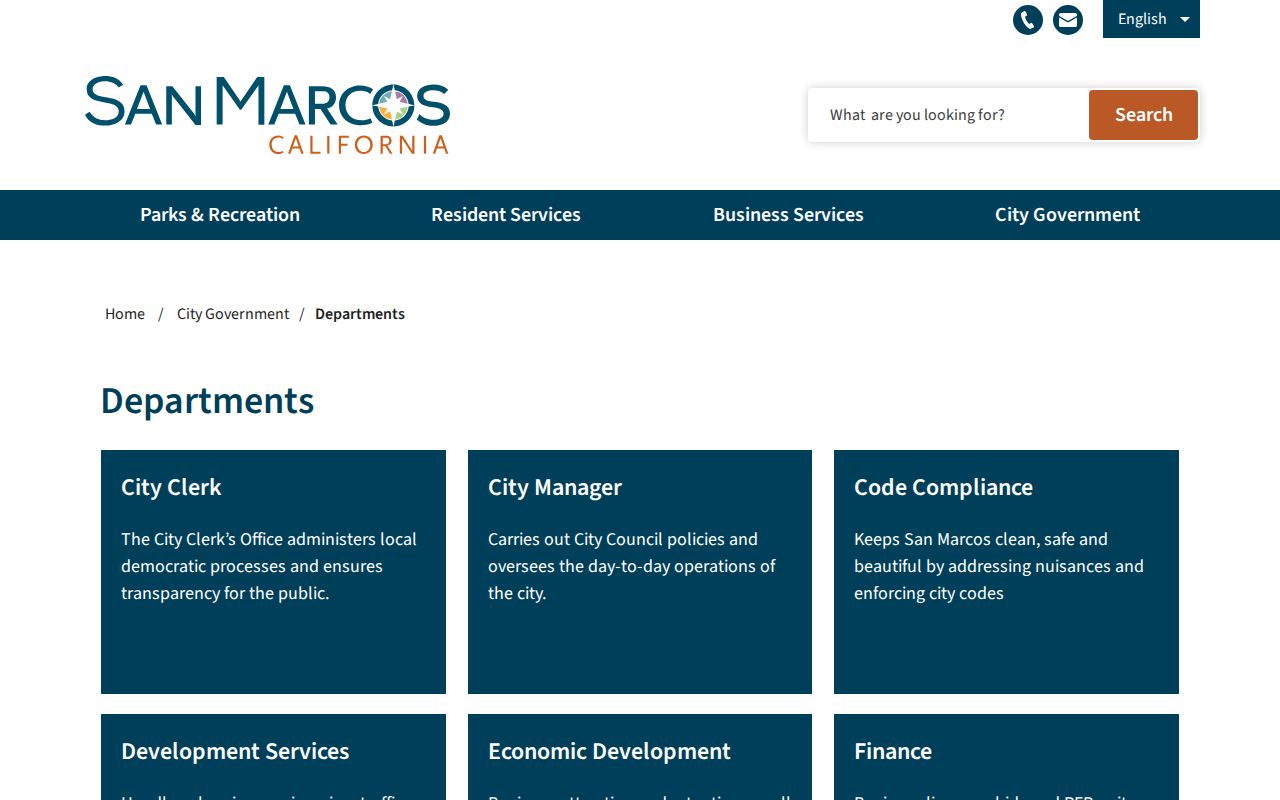
When a person is not named, the department listing provides the best first call, followed by the City Clerk at 760-744-1050 extension 3186.
The state personnel directory interface offers a second government route.
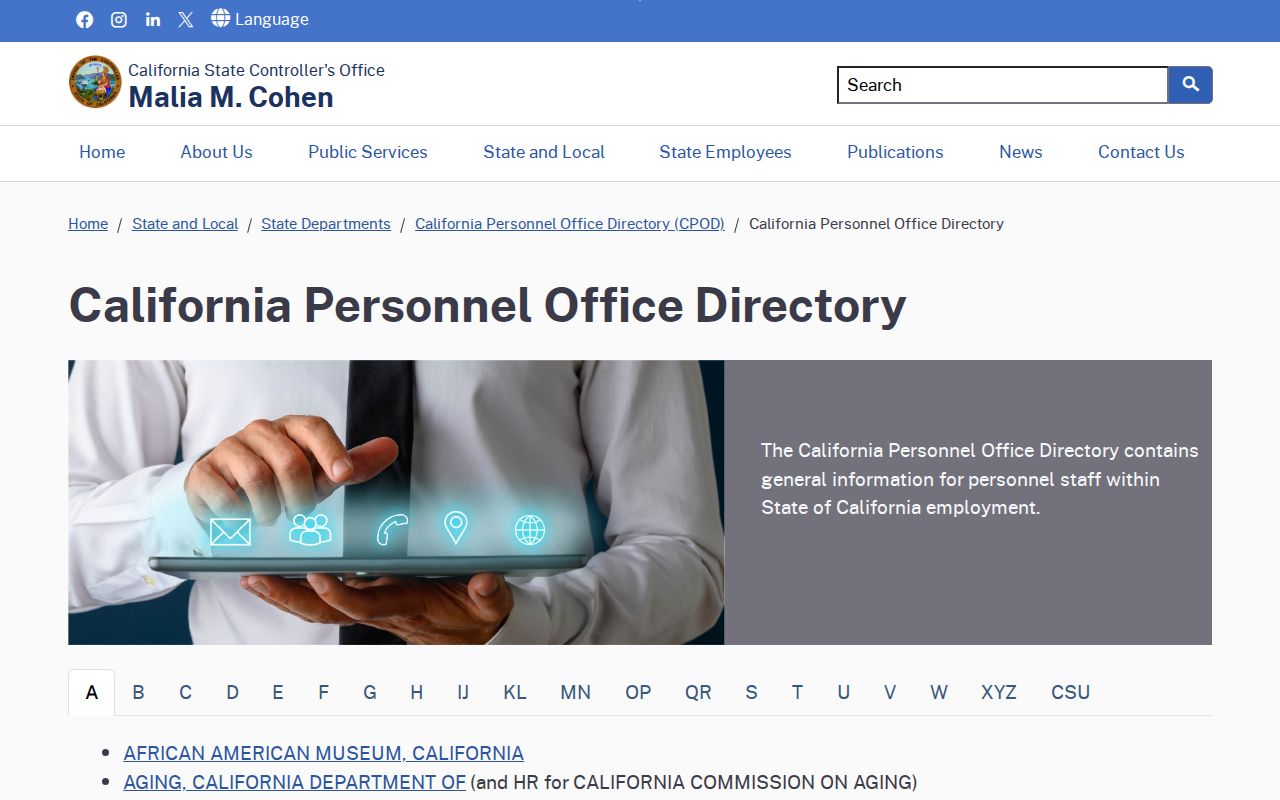
It is most useful when the sought contact works through a California department or a CSU administrative office.
San Marcos Property Owner Directories
San Diego County land systems function as owner directories, not resident lists. ARCC provides ownership and address information by phone at 619-236-3771 and through public kiosks. ParcelQuest supplies APNs, property traits, and assessor maps online, with up to 25 free searches in a 30-day period. SanGIS can locate a parcel by address, APN, or intersection. The Tax Collector can search by mailing address, parcel or bill number, or unsecured bill number.
The mailing address can matter more than the situs address. A situs address is the physical parcel location. A mailing address is where the owner receives tax notices. Someone may own a San Marcos parcel but receive mail elsewhere. Parcel maps themselves show boundaries, dimensions, and APNs, not the owner name or street address. Use the APN to bridge from the map to ARCC ownership channels.
Index and image are different. The ARCC Official Records Index names grantors and grantees for recorded real-property documents from 1970 forward, but images require a mailed copy or public kiosk.
That split makes the index a directory of parties, while the recorded image remains the source for the full legal document. Certified copies come only from ARCC. Broader access and fee details belong with the San Marcos public records system.
San Marcos Business License Directories
Business directories help when a person's public trace is tied to a trade name. The City of San Marcos business license search lists local businesses, but the city warns that its data is self-reported and may not be current. San Diego County ARCC keeps fictitious business name filings, which can connect a DBA to registrants and business addresses. The California Secretary of State bizfile search covers corporations, LLCs, and limited partnerships and offers public filing PDFs.
Professional directories add status and specialty. The DCA License Search checks licenses handled by state boards and bureaus. The contractor tool accepts a license number, business name, or salesperson registration number. The State Bar search uses an attorney name or bar number. Read each result within its scope because one state portal does not cover every licensed field.
A sound cross-check moves from the local business license to the county FBN filing, then to the state entity or professional record. The sources may show different dates and roles. That is useful evidence, not proof that every similarly named entry belongs to the same person.
San Marcos Directory Geography
A San Marcos mailing label does not always settle jurisdiction. The city borders unincorporated county areas and nearby North County cities. The local Code Compliance instructions tell users to verify whether an address lies inside city limits before filing a report. School boundaries, special districts, postal ZIPs, and parcel lines can also cross the place name printed in an address.
This geographic quirk changes which directory deserves trust. Use SanGIS and the APN for parcel jurisdiction. Use the education institution's own list for a campus contact. Check the county system for an unincorporated address. A city department directory is authoritative for City of San Marcos functions, but it cannot identify the keeper of every record attached to a San Marcos postal address.
Note: Confirm the boundary first when a name appears through a parcel, permit, school, or civic record near San Marcos's edges.
San Marcos Genealogy Directory Sources
The San Marcos branch of San Diego County Library is the local gateway, while deeper directory holdings are spread across regional institutions. The county library genealogy resources connect patrons with research databases. San Diego Public Library Central Special Collections holds a large genealogy collection and San Diego Union obituary microfilm reaching back to 1865. Obituaries can tie a name to relatives, former addresses, schools, and estate records.
The captured county library genealogy page shows the starting point for these resources.
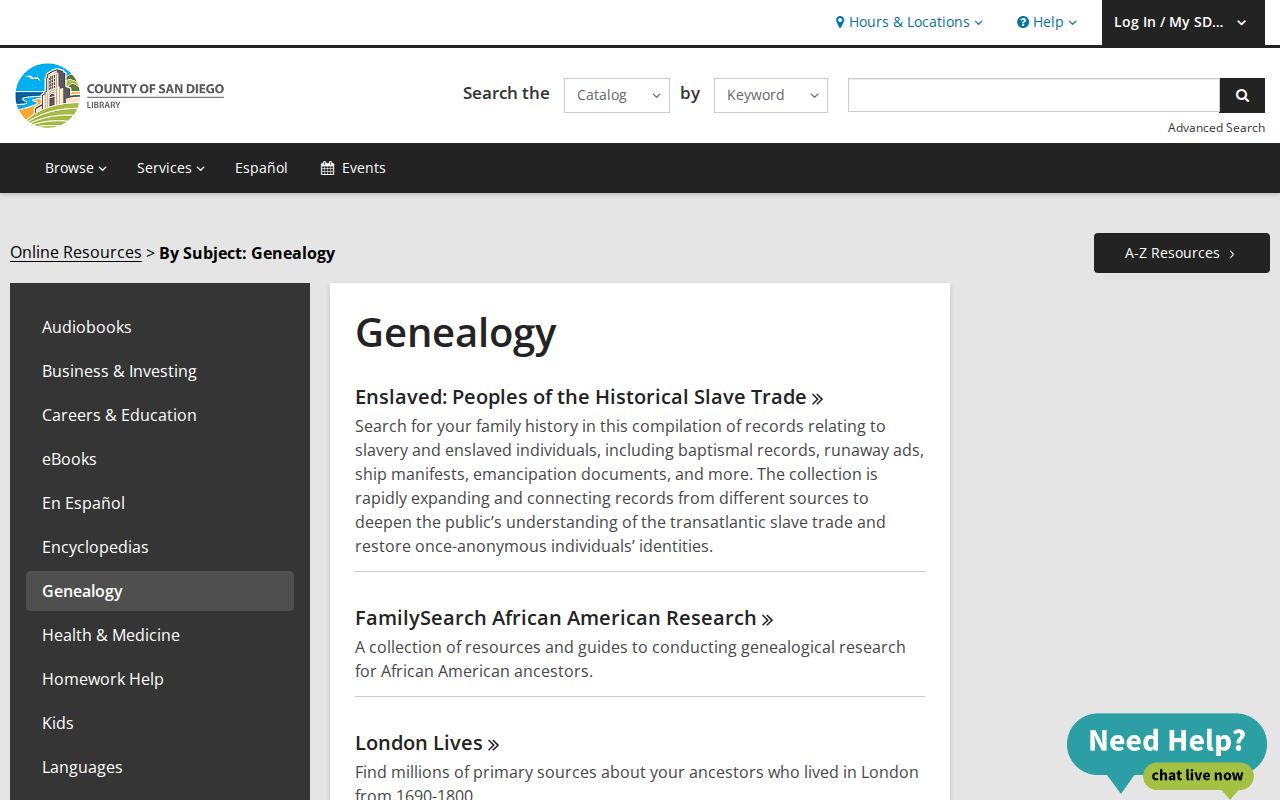
The branch can help identify the correct database or regional collection when no San Marcos-only directory covers the needed year.
For phone research, historical telephone and city directories are more defensible than a generic current white-pages list. They preserve a dated link among a name, an address, and sometimes an occupation. Reverse or criss-cross volumes start with the address and list an occupant, which can fill the gap between property owners and people who actually lived there.
San Marcos Oral History Directories
CSUSM is both a current directory source and a local archive. Its Special Collections and University Archives document the university from its origin in 1989. Voices of North County adds interviews created with faculty, staff, students, and community members. A spoken-history record can identify family ties, civic groups, neighborhoods, and a person's role in North County change.
The San Marcos Historical Society is another hyper-local contact source at 1952 Sycamore Drive and 760-744-9025. The research did not establish a detailed inventory, so ask about a surname, ranch, school, home, photograph, or group rather than assuming a named collection exists. San Diego History Center provides a regional fallback with maps, newspapers, diaries, scrapbooks, oral histories, and millions of documents.
These sources are not fast name directories. Their strength is context. Once a catalog, finding aid, interview transcript, or staff response points to a person, match it to a dated deed, obituary, school record, or directory entry.
Historical San Marcos Directory Labels
San Marcos incorporated in 1963, but the people and land appear in older county records. A pre-incorporation resident may be indexed under San Diego County, Richland, Twin Oaks, Lake San Marcos, an Escondido-area directory, a rural route, or a North County precinct. Searching only the modern city name can miss the right volume.
- City directory
- A dated volume listing residents or merchants by name, often with an address and occupation.
- Reverse directory
- A volume arranged by street address or phone number instead of surname.
- Finding aid
- An archive's description of a collection, its date span, and how to request material.
- Deed index
- A list of recorded instruments and parties, not the full document image.
The San Diego Digital Archives directory collection shows why regional titles matter.
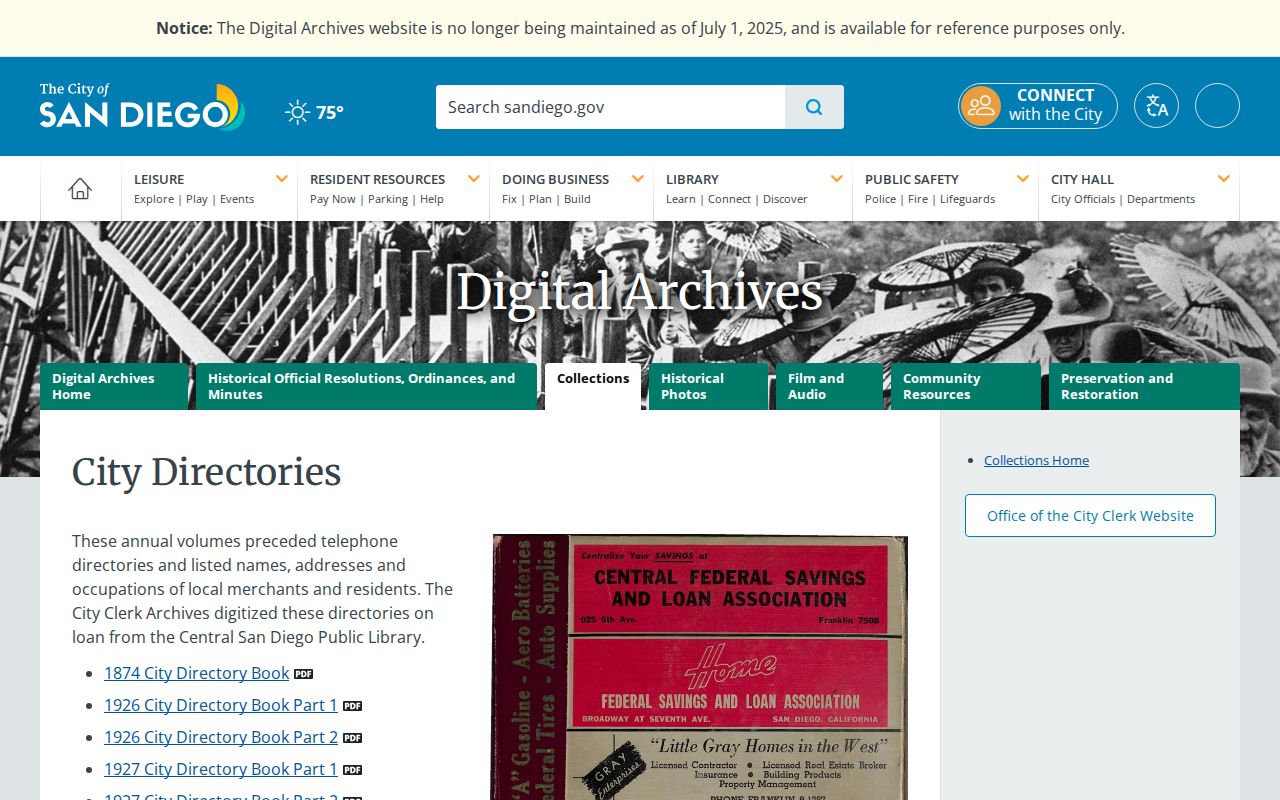
Its San Diego city and county volumes can place North County names in a broader directory run. The California State Library adds city and county directories covering every California county. An archival San Diego County Recorder deed series spans 1850 through 1916, far earlier than ARCC's web index, but exact San Marcos directory years must still be confirmed in the catalog.
San Marcos Directory Privacy Limits
Not every official name list is open for broad browsing. California voter registration files are restricted by Elections Code section 2194 and are not ordinary public directories. Self-service voter lookups are built for voters to check their own status. Safe at Home and protected-voter rules can withhold addresses. Private alumni, congregation, and community association lists should also be treated as private unless the group or an archive has made them public.
Use the least sensitive directory that answers the question. An official office email is enough to reach a public contact. A historical directory can support family research without exposing a current address. Do not use directory data to stalk, harass, threaten, or impersonate anyone, and never treat a name match as final without checking the keeper's current record.
Note: A directory entry is a lead tied to one keeper and one date, so confirm it against a second official or archival source.